
 Print
Print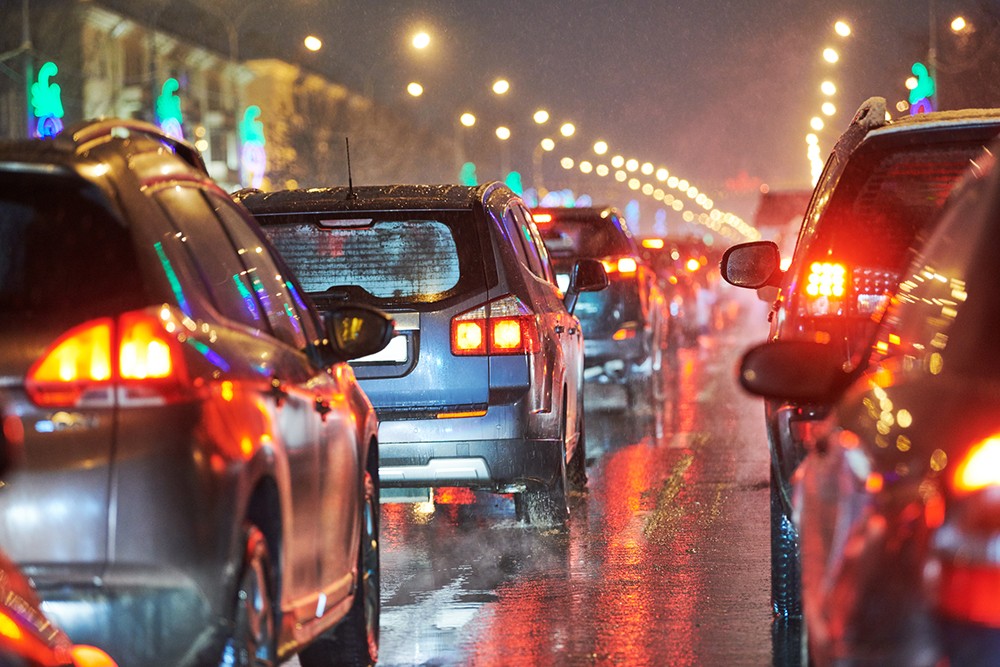
Fog, early nightfall and icy roads reduce visibility. Cold temperatures aggravate weak batteries, lower tire pressure and can thicken engine fluids, adding to the stress of winter driving. Winter weather, early darkness and congested, slippery roads can make your December travels difficult.
Whether you’re facing frosty winter roads or cruising in mild Mediterranean weather, December travel calls for extra care to keep your vehicle running at its best.
Here are our top seasonal travel reminders for hassle-free holiday trips that allow you to spend less time worrying about car troubles.
1. Prepare your tires. Cold weather lowers tire pressure. Have a professional check tread depth and make sure your tires are properly inflated. If you live in an area with heavy snowfall, consider switching to winter tires for better traction and control.
2. Winter-ready battery. In freezing conditions, a fully-charged battery delivers only 50% of its total output. If you are heading to colder or snowy areas, get a service professional to test your battery and charging system to ensure they are in top condition.
3. Inspect brakes for winter safety. Do you hear squeaking or grinding sounds when you brake? Get a service center to check your pads, rotors and fluid level. Before heading out on a road trip, make sure your brakes are in top condition for reliable stopping power on wet or slippery roads.
4. Fill your oil and fluids. Make sure your antifreeze, engine oil, brake fluid and wiper fluid are topped up for unexpected storms. Check your cooling system and confirm it has the right mix for where you live or plan to travel. Fill your washer reservoir with a de-icing formula that melts frost and thin ice on your windshield while driving.
5. Replace windshield wiper blades. Do your wipers streak, skip or drag across the windshield or rear window? Replace them now for a clear view before your December road trips. Confirm that your wipers and washer system are working properly. Consider switching to winter-specific wiper blades with a protective rubber shell that reduces ice buildup.
6. Check headlights and taillights. If you didn’t check headlight brightness and alignment in the fall, now is a good time as the days get shorter and nights are even darker. Get a service center to replace dim bulbs and keep your lenses clean to prevent dirt and road salt from reducing your light output.
7. Fix window chips and cracks. Freezing temperatures and sudden blasts of hot air from defrosters can cause tiny cracks to spread rapidly on glass. Have a professional repair minor chips before they turn into costly replacements. Before your appointment, protect the damaged area with a piece of mesh to keep out moisture and dirt.
8. Wheel alignment. Bumped a curb or hit a pothole this autumn? Get your alignment checked to prevent tire damage during December travels. Proper wheel alignment enhances your vehicle’s stability on slick winter roads and helps your tires last longer.
9. Sensors and backup cameras. Are your cameras and sensors functional? Winter road grime can interfere with safety systems like parking assist, lane departure warnings and collision alerts. Have a service technician recalibrate these safety features for accuracy and reliability throughout the season.
10. Heating and defrosting system. Steering with foggy windows can increase anxiety during holiday driving. A malfunctioning heating system can make your passengers feel a little frosty. Before your defroster fails on a chilly morning, get a professional to check your heater, defroster and cabin air filter to make sure they are in good working condition.
11. Engine belts. Cold weather can make belts brittle and shut down your engine abruptly. A screeching noise when starting your car may be an early warning sign of a slipping or stiffened belt. Book an appointment to have your serpentine and timing belts inspected and replaced before they cause serious engine damage.
Winter Travel Preps for Comfort and Safety
Winter travel requires more than a reliable vehicle on the road. It also demands planning ahead to stay safe, comfortable and ready for unpredictable weather.
Here are some seasonal driving reminders for new and experienced drivers:
1. Drive safely on slopes. Maintain steady momentum when driving uphill as stopping increases the risk of getting stuck. When descending, apply gentle and consistent braking instead of sudden pressure. Always shift to a lower gear before going down a steep hill. It takes the load of your brakes and gives you a better grip on ice.
2. Plan routes carefully. Check weather mobile apps and road reports before backing out of your driveway. See any warning signs of foul weather or other road conditions? Pay special attention to mountain passes and rural highways where weather conditions can change quickly. State resources such as online traffic maps monitor real-time updates on closures and hazards.
Make sure to share your route and estimated arrival time with friends or family. Be cautious with GPS directions as they may route you to unplowed or unsafe roads.
3. Dress in layers. If you’re headed to wet or frosty environments, wear a moisture-wicking base layer to stay dry. Add a warm fleece or wool mid-layer and finish with a waterproof or windproof jacket. If you’re bringing new boots, break them in at home with socks you plan to wear on the road to help avoid blisters.
4. Pack smartly. Use compression bags or cubes to shrink jackets and sweaters. Tuck socks and gloves inside shoes to save space. Roll your clothes into a bunch instead of folding them to reduce wrinkles. Keep your electronic devices warm with hand warmers so frigid temperatures do not drain your batteries quickly.
5. Protect head, hands and feet. Travel with touchscreen-friendly gloves, hats and scarves for everyone. Always carry spare socks and gloves to stay dry and reduce the risk of frostbite. Choose insulated and water-resistant boots with thick merino wool socks that stay warm even when damp. Looking for extra warmth outdoors? Slip chemical hand warmers into your boots and gloves.
6. Emergency road kit. AAA recommends keeping a fully stocked emergency kit in your car during winter travel. This includes:
- Jumper cables
- Flashlight and extra batteries
- Flares or reflective triangles
- Warm blankets
- Ice scraper
- First-aid kit
- Portable tire inflator
- Drinks (water, insulated container with hot coffee, tea or chocolate, Gatorade and other shelf stable beverages)
- Nonperishable snacks (beef jerky, dried fruit, crackers, protein bars and popcorn)
- Tow strap
- Portable jump starter
- Phone charger
- Portable power bank
- Snow shovel
- Traction mats
- Winter-grade windshield solution
- Basic tools (screwdrivers, pliers, adjustable wrench)
- Bag of abrasive material (sand, salt, kitty litter)
7. Be safe if stranded. If you are stuck on the roadside, the safest option is to remain inside your vehicle. It provides shelter from the cold and makes it easier for emergency responders to find you. Signal for help with a bright cloth tied to your window and keep your dome light on at night. Clear snow from the exhaust before switching on your engine to avoid a carbon monoxide buildup. Leave a window slightly cracked for air circulation while you wait for help.
8. Pack for weather swings. Be prepared for sudden drops in temperature, gusty winds or snow squalls. A water-resistant poncho or travel blanket can serve as emergency protection when conditions change. While a lightweight windbreaker provides a protective layer against chilly winds. AAA officials strongly recommend versatile and multi-use gear for families especially in mountain and rural areas.
9. Stay rested. Make sure you are well-rested before a long trip and take breaks every few hours. Travel with drinks and snacks to stay energized as convenience stores may be inaccessible in bad weather. Feeling drowsy? Find a safe place to stop and rest. Adjust your seat position slightly every hour while driving. Small changes in posture improve blood circulation and focus on the road ahead.
10. Disable cruise control. Turn off your vehicle’s cruise control when driving on winter roads. If you lose tire traction or begin to skid, cruise control may try to maintain your speed, causing the wheels to spin faster and making it harder for you to regain control. Using this hands-free tech can also disrupt your driving in winter conditions with black ice, snow drifts and frozen puddles.
Copyright © 2026 by Sensible Driver. All rights reserved.